Speed is profit.
LCP Optimization for Mobile Devices: The Publisher’s Ultimate Guide to Faster Sites and Fatter Wallets in 2025

Unlock peak performance: Master Largest Contentful Paint (LCP) optimization to boost mobile speed, enhance user experience, and supercharge your publisher revenue in today's demanding digital landscape.
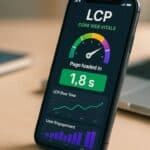
In the hyper-competitive world of digital publishing, where milliseconds dictate fortunes, a slow website isn’t just an inconvenience – it’s a direct threat to your bottom line. As publishers, your success hinges on delivering content swiftly and seamlessly, especially on mobile devices. Why? Because user attention is fleeting, and Google’s algorithms increasingly reward sites that prioritize page experience. At the forefront of this digital arms race is Largest Contentful Paint (LCP), a critical metric within Google’s Core Web Vitals.
This isn’t merely a technical tweak; it’s a strategic imperative. A poor LCP score means frustrated users, higher bounce rates, diminished ad viewability, and ultimately, lost revenue. Conversely, LCP optimization for mobile devices unlocks a virtuous cycle: faster sites attract more users, enhance engagement, command higher ad rates, and secure better search rankings. This comprehensive guide will equip you with the knowledge and actionable strategies to master LCP, transforming your mobile site into a high-performance, high-revenue asset for 2025 and beyond.
What is Largest Contentful Paint (LCP)? Understanding the Core Metric
Let’s demystify it: what is LCP? LCP stands for Largest Contentful Paint. It is a Core Web Vital metric that measures the time it takes for the largest content element on your page to become visible within the user’s viewport. This “largest element” could be an image, a video thumbnail, a large block of text, or a heading. It’s Google’s way of assessing when the main content of your page has likely loaded and become useful to the user.
Think of it this way: when a user clicks on your article, LCP measures how long they wait until they can truly see and begin consuming the primary content. A fast LCP (ideally under 2.5 seconds) signals a good initial user experience, while a slow one indicates a frustrating wait. This direct correlation makes LCP optimization vital for publisher success.
Why LCP Optimization Matters Deeply for Publishers: The Revenue Connection
For publishers, LCP optimization for mobile devices isn’t just about technical scores; it’s about business survival and growth. Its importance spans multiple critical areas:
- Direct SEO Impact: Google explicitly states that Core Web Vitals, including LCP, are ranking signals. A faster LCP can lead to improved search visibility, pushing your content higher in search results and attracting more organic traffic – the lifeblood of publisher revenue.
- Enhanced User Experience (UX): Users expect speed. A fast-loading site reduces frustration, lowers bounce rates, and encourages longer sessions. When users enjoy their experience, they return more often, consume more content, and are more likely to engage with ads. This directly impacts mobile speed and overall satisfaction.
- Increased Ad Viewability & Higher CPMs: Advertisers pay more for ads that are seen. A slow LCP means ads load slowly or appear after the user has scrolled past them, hurting ad viewability. By optimizing LCP, you ensure ads load promptly and are visible, justifying higher CPMs and boosting your website monetization.
- Improved User Retention & Loyalty: In a crowded digital space, users flock to sites that offer a superior experience. A fast LCP contributes significantly to user satisfaction, fostering loyalty and increasing repeat visits. A loyal audience is more valuable for long-term publisher revenue strategies.
- Competitive Advantage: Outperforming competitors on LCP can be a significant differentiator. When your site loads faster, you capture users who abandon slower sites, gaining market share and solidifying your position as a preferred content destination.
Unmasking the Culprits: What Slows Down Your LCP?
Before optimizing Largest Contentful Paint, you must identify its saboteurs. Several common factors contribute to a slow LCP, particularly on mobile:
- Slow Server Response Times (TTFB): If your server takes too long to respond to a browser’s request, everything else waits. This is often the first bottleneck.
- Render-Blocking JavaScript and CSS: Scripts and stylesheets that aren’t optimized can block the browser from rendering the main content, delaying LCP.
- Large Images and Media Files: Unoptimized images, especially hero images or large banners, are frequent LCP culprits on mobile, consuming significant bandwidth.
- Slow-Loading Third-Party Resources: Ads, analytics scripts, social media widgets – while valuable – can often inject render-blocking code or heavy assets, directly impeding LCP. This is a common challenge for publishers.
- Lack of Caching: Without proper caching, the browser has to download resources repeatedly, slowing down subsequent visits.
Practical Strategies for LCP Optimization on Mobile Devices
Now, let’s dive into the actionable steps to drastically improve your mobile LCP and enhance your website monetization:
Optimize Server Response Time (Time to First Byte – TTFB):
- Upgrade Your Hosting: Invest in fast, reliable hosting.
- Utilize a CDN (Content Delivery Network): A CDN serves content from servers geographically closer to your users, reducing latency and accelerating content delivery, especially for global audiences.
- Implement Server-Side Caching: Cache frequently accessed pages and assets at the server level to reduce processing time for repeat visits.
Master Image and Media Optimization (A Top LCP Fix):
- Compress and Resize Images: This is arguably the biggest impact for LCP optimization. Use modern formats like WebP or AVIF. Resize images to the exact dimensions they’ll be displayed at, especially for mobile, to avoid serving excessively large files.
- Implement Lazy Loading: For images and videos below the fold (not immediately visible in the viewport), use lazy loading. This ensures they only load when the user scrolls down, prioritizing critical above-the-fold content for LCP.
- Use Responsive Images (srcset): Serve different image sizes based on the user’s device and screen resolution, ensuring the browser loads the most appropriate (and smallest) image.
Optimize CSS and JavaScript Delivery:
- Minify CSS and JavaScript: Remove unnecessary characters (whitespace, comments) from your code files to reduce their size.
- Defer Non-Critical CSS/JS: Identify CSS and JavaScript that isn’t essential for rendering above-the-fold content and defer its loading until after the primary content is visible. Use
deferorasyncattributes for scripts. - Critical CSS (Inline Critical CSS): Extract the bare minimum CSS required to render the LCP element and inline it directly in your HTML. This allows the browser to paint the critical content immediately without waiting for an external CSS file.
- Remove Unused CSS: Audit your stylesheets to remove any CSS rules that are not being used on the page.
Optimize Web Fonts:
- Preload Fonts: Use
<link rel="preload">to tell the browser to prioritize loading fonts critical for your LCP element. - Font-Display: Swap: Implement
font-display: swapin your CSS. This tells the browser to use a fallback font while your custom font loads, preventing invisible text (FOIT) and improving perceived LCP.
Efficiently Handle Third-Party Scripts (Especially for Publishers):
- Delay Non-Critical Scripts: Ads, analytics tags, social widgets – many of these can be loaded after the main content has rendered. Use tag managers (like Google Tag Manager) to defer their execution.
- Self-Host If Possible: If you have control over third-party scripts, consider self-hosting them (e.g., analytics) to reduce DNS lookups and external server requests.
- Optimize Ad Loading: For publisher revenue, ads are essential. Work with your ad network or monetization partner to ensure ad scripts are loaded asynchronously and do not block the rendering of your primary content. Implement lazy loading for ad slots below the fold.
Tools for Measuring and Monitoring Your LCP Performance
You can’t optimize what you don’t measure. Here are essential tools for tracking your LCP optimization efforts:
- Google PageSpeed Insights: Provides LCP scores for both mobile and desktop, along with specific recommendations for improvement.
- Google Lighthouse: Built into Chrome DevTools, Lighthouse offers a detailed audit of your site’s performance, including LCP, with actionable advice.
- Google Search Console (Core Web Vitals Report): Shows real-world (field) data on your LCP performance across your entire site, identifying pages that need attention.
- Chrome DevTools: Use the Performance tab to visualize the loading process and identify render-blocking resources directly.
- WebPageTest: Offers detailed waterfall charts showing how every asset loads, helping pinpoint LCP bottlenecks.
Regularly monitoring these tools is crucial for sustained LCP optimization and maintaining high mobile speed.
A Publisher’s Guide to LCP: FAQs
What does LCP stand for, and why is it important for my website?
LCP stands for Largest Contentful Paint. It’s a Core Web Vital metric that measures the time it takes for the largest piece of content on your page to load within the user’s viewport. It’s crucial because it directly reflects the perceived loading speed and initial user experience. A fast LCP improves SEO rankings, reduces bounce rates, and enhances publisher revenue through better ad viewability.
How does LCP directly impact a publisher’s ad revenue and monetization?
A slow LCP means delays in rendering the main content and potentially ads. This leads to lower ad viewability, as users might scroll past or abandon the page before ads fully load. High LCP scores ensure ads load quickly and are seen, justifying higher CPMs and ultimately increasing your website monetization potential and publisher revenue.
What are the biggest culprits for poor LCP on mobile devices?
The most common culprits for poor LCP on mobile include slow server response times (TTFB), render-blocking JavaScript and CSS files, unoptimized large images or videos (especially above the fold), and inefficiently loaded third-party scripts (like analytics or ad tags).
How can publishers specifically optimize images to improve LCP?
Publishers can optimize images by compressing them to reduce file size, resizing them to the exact display dimensions (especially for mobile), using modern formats like WebP or AVIF, and implementing lazy loading for images below the fold. Prioritizing critical images above the fold is key for LCP optimization.
Should I worry about third-party scripts (like ads or analytics) impacting my LCP?
Yes, third-party scripts, while necessary for publisher revenue and analytics, can significantly impact LCP if not managed well. Publishers should ensure these scripts are loaded asynchronously or deferred until after the main content renders. Working with ad partners for optimized ad tag implementation is crucial.
What is a good LCP score, and how can I measure it?
A good LCP score is typically 2.5 seconds or less. You can measure it using Google tools like PageSpeed Insights, Google Lighthouse (via Chrome DevTools), or the Core Web Vitals report in Google Search Console, which provides real-world user data for your site.
How does LCP optimization affect my site’s SEO and Google rankings?
LCP optimization directly impacts SEO because it is a Core Web Vital, which Google uses as a ranking signal. A faster LCP contributes to a better page experience score, which can help your content rank higher in search results, driving more organic traffic to your publishing platform.
Can improving LCP help with user retention on my mobile site?
Absolutely. A fast-loading mobile site, largely driven by a good LCP, creates a smoother and more enjoyable user experience. Users are more likely to stay on your site, consume more content, and return in the future if their initial experience is positive. This boosts user retention and builds a loyal audience.
What role does my web hosting play in LCP optimization?
Your web hosting plays a foundational role in LCP optimization because it directly impacts your server response time (TTFB). Fast, reliable hosting and the use of Content Delivery Networks (CDNs) can significantly reduce the time it takes for your server to deliver the initial bytes of your page, which is critical for LCP.
Conclusion
In 2025, for publishers, LCP optimization for mobile devices isn’t merely a suggestion; it’s a non-negotiable cornerstone of digital success. A fast-loading site transcends a mere technical advantage – it’s a strategic pathway to superior user experience, elevated SEO performance, and, most crucially, maximized publisher revenue. By diligently addressing server response times, optimizing images, streamlining code, and carefully managing third-party scripts (especially ads), you build a robust foundation for sustainable growth.
Mastering Largest Contentful Paint means captivating your audience from the very first millisecond, ensuring higher engagement, increased ad viewability, and ultimately, a more prosperous monetization strategy. This investment in speed pays dividends far beyond technical scores; it cultivates a loyal readership and establishes your site as an authoritative, high-performance destination.
Ready to accelerate your site’s performance and unlock your full revenue potential? Speak with our specialists today to learn how to optimize your LCP for success in 2025 and beyond.
References
- Google Ads
- Google AdMob
- Google Certified Publishing Partner (GCPP) Program
- Electronic Frontier Foundation (EFF)
- IAB (Interactive Advertising Bureau)
- Google Ad Manager Help
- Google Developers – Core Web Vitals
- Google PageSpeed Insights
- Web.dev – Optimize LCP
- Prebid.js
🚀 Join the Monetization Revolution!
Follow Grumft on LinkedIn for exclusive SEO, engagement and revenue insights delivered straight to your feed.
Follow Grumft on LinkedInLeia também:

Tu WordPress es un Rascacielos Digital. ¿Estás Ignorando las Grietas en sus Cimientos?

Your Slow Website is Costing You a Fortune. Here’s How to Prove It.

SEO 2025: Publishers’ Ultimate Guide to Dominate Search & Monetize Traffic





Autor(a):
Fernanda Calandro
Online desde 1997, sou uma profissional de marketing e conteúdo com formação robusta em marketing. Especializada em simplificar temas complexos através das minhas redações, eu facilito a conexão entre publishers e especialistas, promovendo um entendimento claro e acessível.


